The Role of Technology in Renewable Energy Systems

Technology’s influence on renewable energy systems is profound and multifaceted. Smart technologies enhance efficiency by enabling real-time monitoring of energy consumption. Innovations in energy storage address the inherent challenges of intermittency in renewable sources. Additionally, smart grids facilitate seamless integration of renewable energy into existing infrastructures. As these developments unfold, they present new opportunities and complexities that warrant further exploration. What implications do these advancements hold for future energy landscapes?
How Smart Technologies Enhance Renewable Energy Efficiency
As the demand for sustainable energy solutions intensifies, smart technologies emerge as pivotal elements in enhancing the efficiency of renewable energy systems.
Smart meters facilitate real-time monitoring, enabling better demand response strategies that optimize energy consumption.
Innovations in Energy Storage Solutions
Recent advancements in energy storage solutions are revolutionizing the landscape of renewable energy systems.
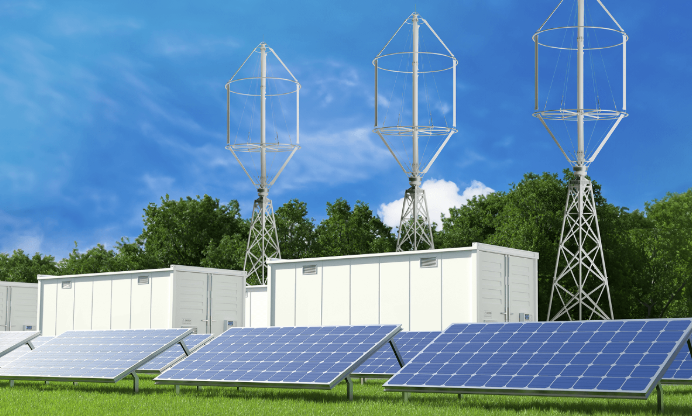
Innovations in battery technology enhance energy management, allowing for more efficient utilization of renewable sources. These battery advancements enable longer storage durations and rapid discharge rates, addressing intermittent supply challenges.
As a result, they empower consumers and industries, fostering greater independence and resilience in the transition towards sustainable energy.
The Impact of Smart Grids on Renewable Energy Integration
While the integration of renewable energy sources poses significant challenges, the emergence of smart grids offers transformative solutions for enhancing efficiency and reliability.
By enabling demand response mechanisms, smart grids facilitate real-time adjustments in energy consumption, optimizing resource use.
Furthermore, they bolster grid resilience, allowing for better management of variable renewable outputs, thereby fostering a more sustainable and flexible energy landscape.
See also: The Role of Technology in Renewable Energy
Future Trends in Renewable Energy Technology
What innovations lie ahead in renewable energy technology?
Anticipated solar advancements include enhanced photovoltaic materials that increase efficiency and energy storage solutions to maximize utility.
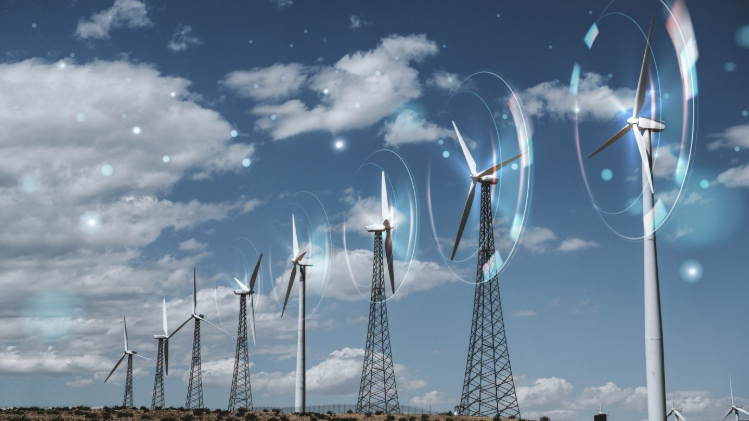
Concurrently, wind innovations such as larger, more efficient turbines and advanced predictive analytics for energy generation will redefine the landscape.
Together, these breakthroughs promise to enhance sustainability, promote energy independence, and empower consumers to embrace a freer, cleaner energy future.
Conclusion
In conclusion, the integration of technology into renewable energy systems is transforming the landscape of energy consumption and sustainability. With advancements in smart technologies and energy storage solutions, the potential for a more efficient and resilient energy future is within reach. As society grapples with the challenges of climate change, one must ponder: can these innovations truly lead us to a sustainable energy paradigm, or will limitations hinder their widespread adoption? The answer lies in continued investment and innovation.