The Role of Technology in Renewable Energy

Technology is reshaping the landscape of renewable energy by improving efficiency and integration. Smart grids facilitate better distribution, while advancements in energy storage enhance sustainability. Innovations in solar and wind technologies contribute to increased efficiency. Furthermore, AI and data analytics play a crucial role in optimizing energy consumption. As these elements converge, they raise critical questions about the future of energy management and its implications for environmental sustainability. What challenges and opportunities lie ahead?
How Smart Grids Enhance Renewable Energy Distribution
As renewable energy sources continue to proliferate, the integration of smart grids emerges as a pivotal factor in enhancing their distribution.
Smart meters facilitate real-time data collection, enabling efficient demand response strategies that adapt to changing energy consumption patterns.
This responsiveness not only optimizes energy flow but also empowers consumers, promoting a decentralized energy landscape that champions individual choice and sustainability.
The Impact of Energy Storage Technologies on Sustainability
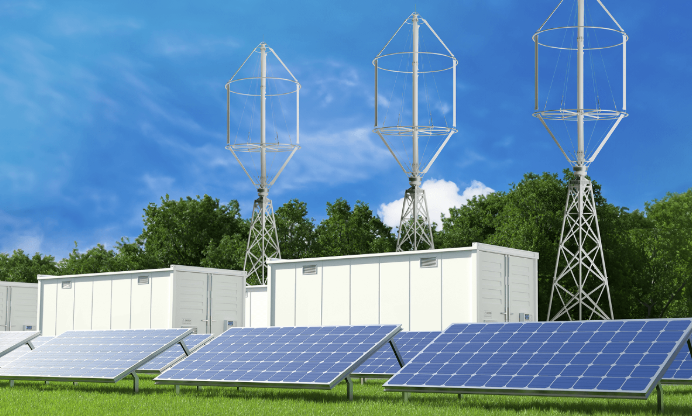
Although energy storage technologies are often viewed merely as a supplementary component of renewable energy systems, their profound impact on sustainability cannot be overstated.
Battery advancements have enabled the development of sustainable solutions that enhance energy efficiency, reduce greenhouse gas emissions, and facilitate the integration of intermittent renewable sources.
Consequently, energy storage technologies are essential for achieving a resilient and sustainable energy future.
See also: The Role of Technology in Public Transportation
Innovations in Solar and Wind Technologies for Greater Efficiency
Energy storage technologies have laid the groundwork for advancements in renewable energy generation, particularly in solar and wind sectors.
Recent solar innovations, such as bifacial panels and perovskite cells, enhance energy capture efficiency.
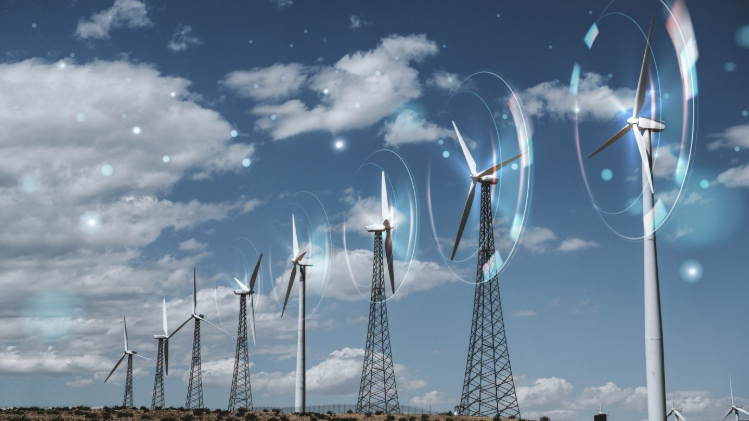
Concurrently, wind advancements, including larger turbine designs and improved blade aerodynamics, significantly boost output.
These developments collectively contribute to a more sustainable energy landscape, promoting freedom from fossil fuel dependence.
The Role of AI and Data Analytics in Optimizing Energy Use
While the transition to renewable energy sources is crucial for sustainability, the integration of artificial intelligence (AI) and data analytics plays a pivotal role in optimizing energy use across various sectors.
By employing predictive modeling, organizations can analyze patterns in energy consumption, allowing for efficient resource allocation and reduced waste.
This technological advancement empowers users to make informed decisions, fostering greater independence in energy management.
Conclusion
In conclusion, technology serves as the keystone in the arch of renewable energy advancement, harmonizing efficiency and sustainability. As the adage goes, “necessity is the mother of invention,” and the urgent need for cleaner energy solutions has spurred remarkable innovations. From smart grids to sophisticated AI analytics, these technological developments not only optimize energy distribution and usage but also pave the way for a resilient future, ultimately reducing reliance on fossil fuels and enhancing environmental stewardship.